

Hello? I said, hello…
Hello. I’m Yeonjun Lee, a backend engineer with a strong interest in computing, backend architecture design, and embedded systems development.
Let me introduce the one-person project I’ll be working on in the first semester of my third year (2026) under Mr. Hoseong Lee.
A marathon record tracker development project
The idea came from my father, who loves running (running, not learning).
Marathons today measure times at each checkpoint using RFID, but depending on the event there are so few active RFID beacons that there’s no real-time tracking and reliability is low.
So I started building a service that updates location in real time, stores and shares records, and lets each individual easily integrate our data into the healthcare service they already use.
Research topics
Broadly, the main research topic will be low-power design using the nRF9151.
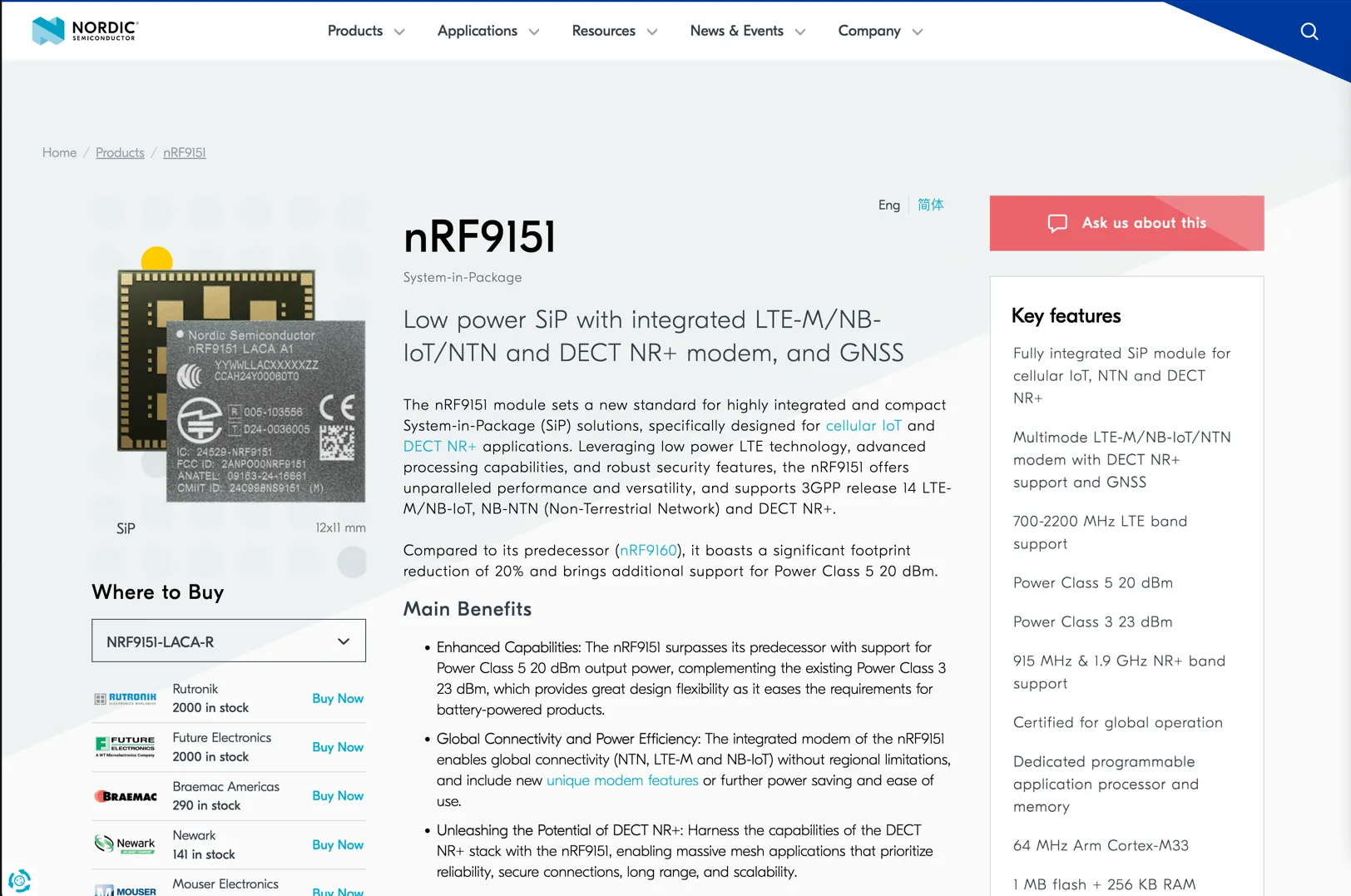
In which mode and for how long should the GNSS module be powered on to get a GPS fix, and at what accuracy? How much current does each scenario require? LTE-M’s peak current is extremely high — how do we handle that current, and how do we optimize the transmission interval to save power?
Those will likely be the biggest research topics.
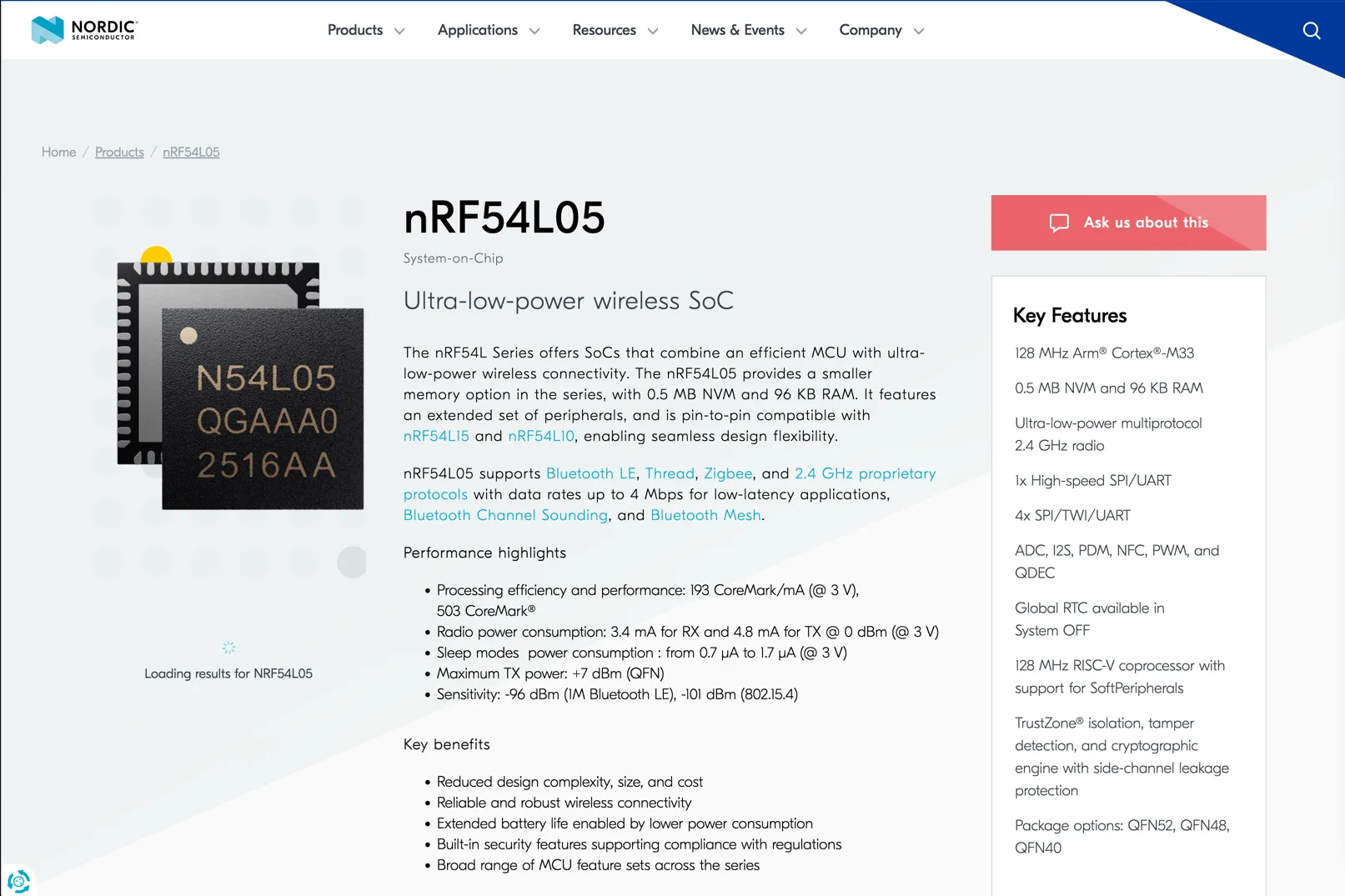
On a smaller scale, I plan to use the nRF54L05 to connect to a smartphone so users can conveniently use templates to set transmission intervals, register a GPS tracker to their account, and so on.
End goal
I’m planning to mass-produce the device, launch a B2C business through running clubs, and offer a base quota with additional quota sold as a subscription.
I also considered future expansion via B2B contracts with marathon events: the organizer hands the device to each runner for the duration of the race, which lets us provide race-wide statistics to the organizer while the data is also saved to each runner’s personal records.
Research schedule
- March
- Software optimization for a low-power architecture
- Research on low-power circuit design
- April
- Consider solar power assistance
- PCB design and PCBA order
- May
- Service development: backend and app
- June
- Individual prototype testing at races
- Group prototype testing at races
- July
- Group prototype testing at races